
Molecular diagnostics
High-complexity laboratory leadership
Public regulatory records document Dr. Mohammad Ali Faghihi’s work directing molecular diagnostics and translating laboratory science into clinically useful testing.
FDA-authorized molecular testing
On January 22, 2021, the U.S. Food and Drug Administration issued a letter of authorization for the Express Gene 2019-nCoV RT-PCR Diagnostic Panel. The letter was addressed to Mohammad Faghihi, M.D., Ph.D., in his role as High Complexity Laboratory Director of Express Gene Molecular Diagnostics Laboratory.
The FDA record describes a molecular test designed to detect SARS-CoV-2 nucleic acid across several respiratory specimen types, including saliva collected in a healthcare setting. The authorization reflected a period when laboratories across the country were rapidly expanding diagnostic capacity during the COVID-19 public-health emergency.
Quality systems and laboratory oversight
High-complexity laboratory leadership involves far more than running an assay. It includes review of validation data, quality control, staff qualifications, equipment, safety procedures, recordkeeping, and the interpretation and release of results. Current organizational materials identify the laboratory as CLIA-certified and CAP-accredited, while public registry profiles associate Dr. Faghihi with its laboratory-director role.
From research to patient-facing diagnostics
Dr. Faghihi’s laboratory work complements his academic research in RNA biology and human genetics. Both areas depend on careful assay design, molecular interpretation, and an understanding of how genetic information can answer practical questions for physicians, patients, and families.
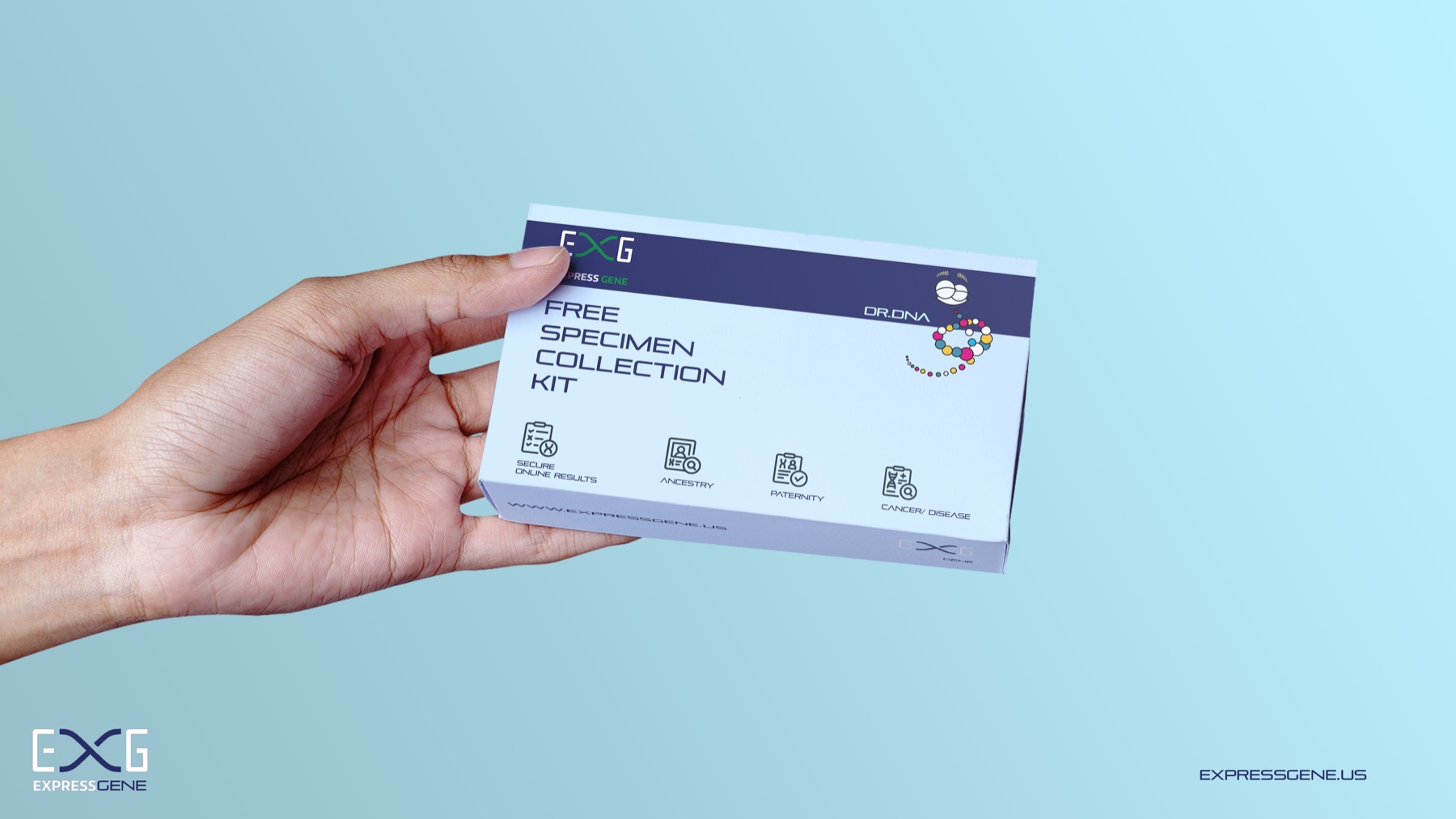
The specimen-kit concept pictured on this page represents another part of that diagnostic pathway: making collection understandable and accessible before a sample reaches the laboratory.
Historical context
The FDA authorization cited here is a historical public-health record and should not be read as a statement that the emergency authorization remains active today. It is included because it independently documents Dr. Faghihi’s laboratory leadership and the diagnostic work performed under his direction.
U.S. Food and Drug Administration
Express Gene 2019-nCoV RT-PCR Diagnostic Panel — Letter of Authorization